Houston is the energy capital of North America. The Greater Houston area accounts for more than one-third of US refining capacity and is home to the largest concentration of petrochemical manufacturing in the Western Hemisphere. With that operational density comes a concentration of industrial control systems, SCADA networks, distributed control systems, and safety instrumented systems that few other regions in the world can match.
That density also makes the Houston energy corridor one of the highest-value targets for OT-focused cyberattacks. The 2021 Colonial Pipeline ransomware incident, which originated through a legacy VPN system and shut down fuel supply across the US Southeast, demonstrated that critical infrastructure operators across the Gulf Coast face very real and immediate threats. TSA Pipeline Security Directives issued in response now apply directly to pipeline operators across Texas.
Arista Cyber provides OT cybersecurity assessments, IEC 62443 alignment, and incident response planning for industrial operators in Houston and across the Texas energy corridor. Our services are delivered remotely and on-site, with no local office presence required.
The OT Cybersecurity Risk Landscape in Houston
and the Texas Energy Corridor
Oil and Gas Upstream and Midstream Operations
Upstream and midstream operations across the Permian Basin, Eagle Ford, and Gulf of Mexico depend on SCADA systems for remote monitoring and control of wellheads, compressor stations, gathering systems, and pipeline segments spanning hundreds of miles. Many of these systems were commissioned before OT security was a recognised discipline and rely on legacy protocols such as Modbus, DNP3, and proprietary vendor communications with no authentication.
Refining and Petrochemical Facilities
Houston's refining and petrochemical complex runs some of the most process-critical OT environments in North America. Distributed control systems managing continuous refining processes, safety instrumented systems with SIL-rated functions, and historian networks feeding real-time data to corporate systems all represent distinct security zones with different risk profiles and patching constraints.
LNG and Terminal Operations
The Houston Ship Channel and surrounding port infrastructure include LNG import and export terminals, tank farms, and marine loading facilities with complex OT environments controlling cryogenic processes, transfer systems, and emergency shutdown networks. These facilities operate under both TSA directives and Coast Guard cybersecurity requirements, creating a multi-framework compliance obligation that requires coordinated OT security expertise.
Compliance Standards Applicable to Houston Industrial Operators
| Standard | Applies To | Key OT Requirements |
|---|---|---|
|
TSA Pipeline Security Directive 2021-02C (and successors) |
Critical pipeline operators (natural gas, hazardous liquids) | Network segmentation, access control, architecture review, and annual cybersecurity assessment |
|
NERC CIP (CIP-002 through CIP-014) |
Bulk Electric System asset owners and operators | OT asset identification, access management, incident response, supply chain risk |
| NIST SP 800-82 Rev. 3 | Federal agencies and critical infrastructure operators | OT-specific security controls guidance, asset inventory, and monitoring |
| IEC 62443 | Industrial automation and control system operators | Zone and conduit architecture, Security Levels, patch management, and access control |
| EPA Risk Management Program (RMP) | Chemical facilities above RMP threshold quantities | Process hazard analysis, emergency response, accidental release prevention |
Industries We Serve in Houston and the Texas Energy Corridor


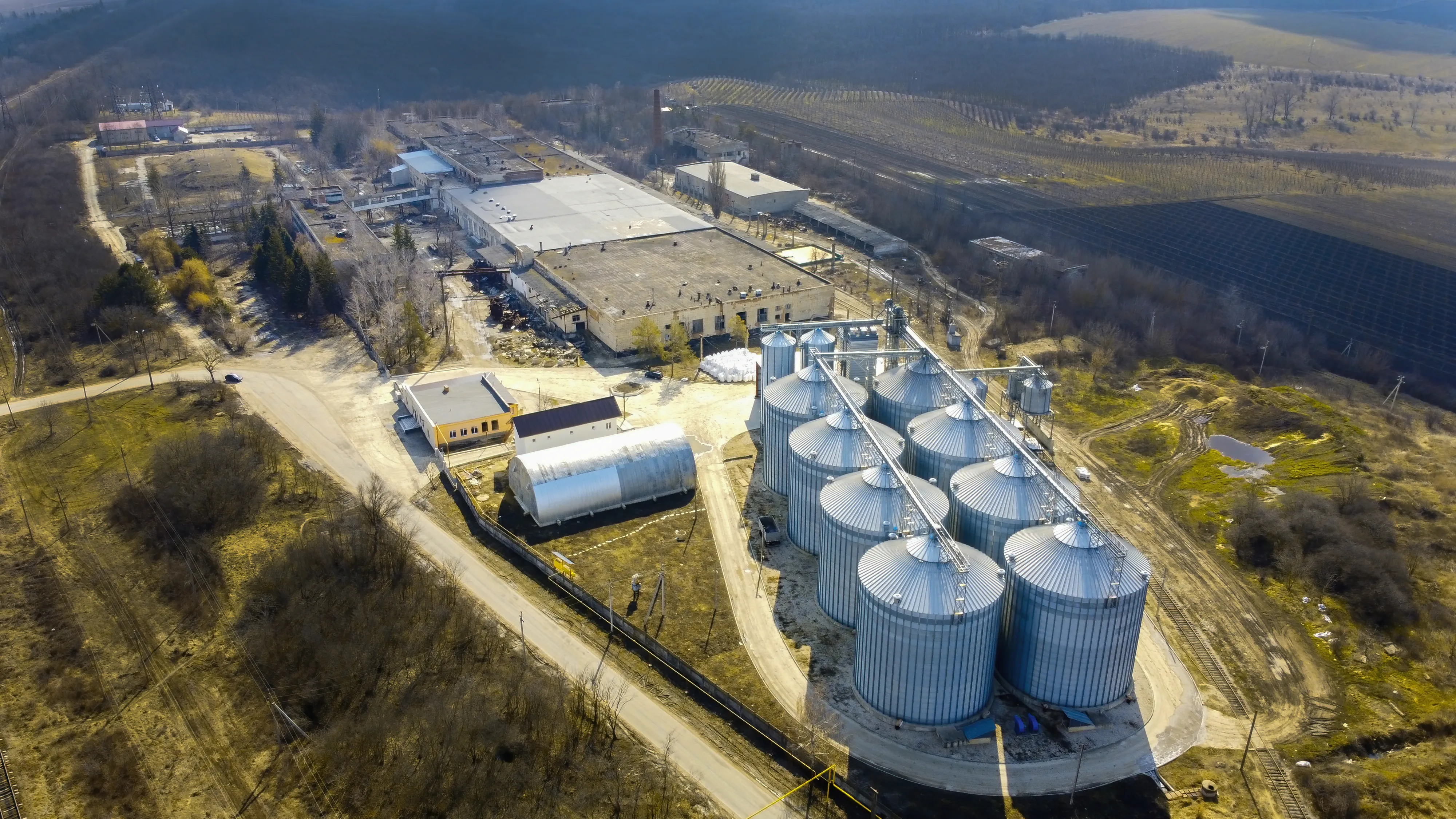



OT Cybersecurity Services for Houston-Area Industrial Operators
OT Risk Assessment and Gap Analysis
A structured gap assessment maps your current OT security controls against applicable standards, including TSA Pipeline Security Directives, NERC CIP, IEC 62443, and NIST SP 800-82. The output is a risk-prioritised remediation roadmap that accounts for operational constraints, patching windows, and the specific process criticality of your control systems. For Houston-area operators under TSA directive requirements, this assessment also serves as documentation toward annual cybersecurity assessment obligations.
IEC 62443 Alignment and Zone Architecture
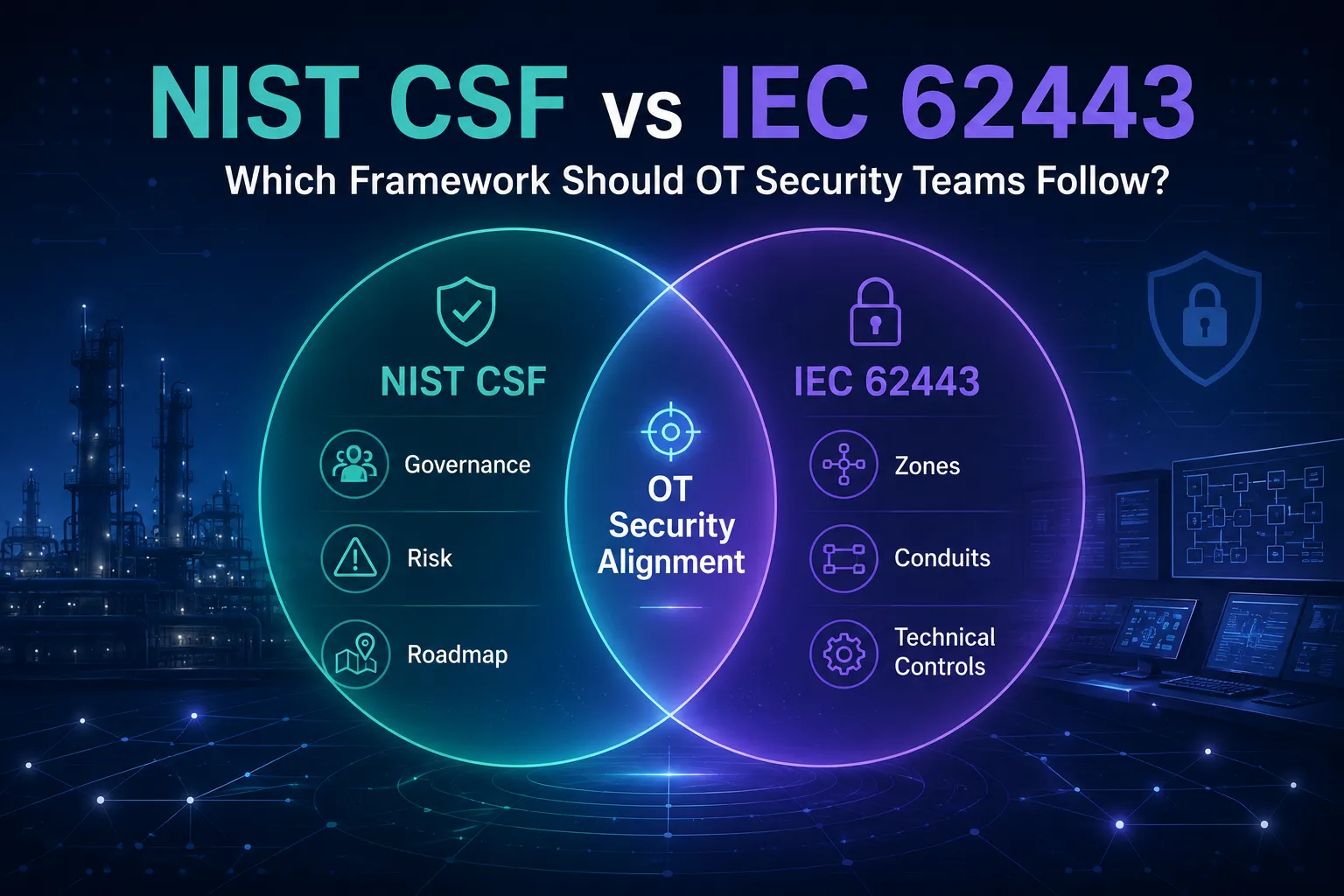
IEC 62443 provides the technical framework for securing industrial control systems through zone and conduit architecture, Security Level assignment, and systematic control implementation. For Houston refining and petrochemical operators, IEC 62443-3-3 system security requirements map directly to the process control, safety, and utility systems in a typical refinery architecture. We conduct Security Level assessments and design remediation programs aligned to IEC 62443 Part 2 and Part 3 requirements.
OT Vulnerability Assessment
Using passive network monitoring and expert-led configuration review, we identify vulnerabilities across your OT asset base without active scanning that could disrupt live process operations. Findings are prioritised by exploitability within your specific network architecture and operational consequence, not just CVSS score. This is a critical distinction for refinery and pipeline environments where a patch cannot be applied without a planned shutdown window.
Network Segmentation and Firewall Architecture Review
Many Houston-area industrial networks that were commissioned prior to 2015 were designed for reliability and uptime, not security. IT and OT networks are often connected with minimal controls, and historian connections provide a path from the corporate network into the control network. We review and redesign network segmentation architecture to meet TSA and IEC 62443 zone requirements while preserving operational continuity
Remote Access Security
Pipeline operators and remote facility operators across Texas rely on vendor remote access for maintenance and troubleshooting. Poorly controlled remote access is one of the most common initial access vectors in OT incidents. We assess and harden remote access architecture, including VPN configurations, jump server design, multi-factor authentication implementation, and vendor session recording.
Incident Response Planning and Tabletop Exercises
TSA Pipeline Security Directives require covered operators to have a cybersecurity incident response plan and conduct annual testing. We develop OT-specific incident response plans that account for the coordination requirements between cyber response teams, process safety teams, operations, and regulatory notification obligations. Tabletop exercises simulate realistic OT attack scenarios based on current threat intelligence for the oil and gas sector.

Frequently Asked Questions
We do not have a Houston office. Our services are delivered remotely for assessment, planning, and advisory work, and on-site by arrangement for hands-on assessment and implementation work at your facility. Most OT security engagements begin with remote document review and architecture analysis before any on-site work is scoped.
The most efficient starting point is an OT gap assessment mapped specifically against the TSA directive requirements. This identifies which controls are in place, which are partially implemented, and which are absent. The output is a prioritised remediation plan with timeline estimates that account for your operational constraints. Many operators use this assessment output as the core of their annual cybersecurity assessment documentation.
An IT security audit assesses configurations, access controls, and policies on corporate systems. An OT security assessment evaluates the security of the systems controlling your physical process: PLCs, DCS controllers, SCADA servers, HMIs, and the network architecture connecting them. The methodology is different because active scanning tools can crash OT devices, patching constraints are completely different, and the consequence of a security failure is a process disruption or safety event, not a data breach.
Yes. NERC CIP applies to Bulk Electric System assets, and TSA directives apply to pipeline assets. Many Houston-area operators have both. We conduct integrated assessments that map controls against both frameworks simultaneously, identifying where a single control satisfies obligations under both standards and where gaps exist that need separate remediation. IEC 62443 technical controls typically underpin both compliance frameworks at the implementation level.



.png)
.png)
.png)
.png)
.png)
.png)
.png)
.png)
.png)
.png)
.png)
.png)