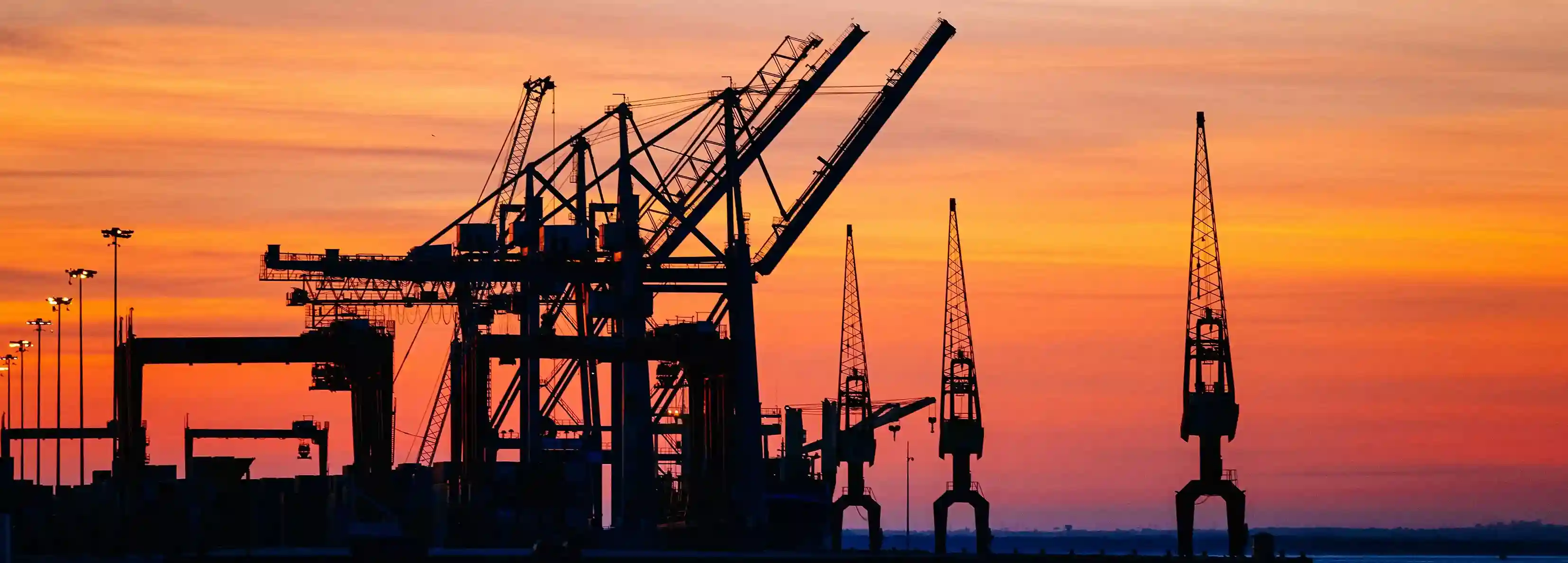
Oil and gas operations run some of the most safety-critical and geographically distributed industrial environments in the world. Drilling and production sites, compressor and pumping stations, pipelines, terminals, refineries, and processing facilities rely on OT and ICS to keep processes stable, production continuous, and safety systems dependable.
As remote operations expand and OT becomes more connected to enterprise services, cyber risk becomes operational risk. In oil and gas, a cyber incident is rarely "just an IT problem." It can affect process integrity, trigger unplanned shutdowns, damage equipment, disrupt supply commitments, and create environmental and safety exposure. This is why OT cybersecurity in oil and gas needs to be treated as a process hazard discipline, not a bolt-on security project.
Arista Cyber supports operators with OT and ICS cybersecurity services designed for real operating constraints: uptime requirements, legacy platforms, vendor dependencies, and strict change governance.
The Oil & Gas Cyber Challenge
Oil and gas environments face a distinct mix of risk drivers that make generic IT controls insufficient on their own:
- ✔ Distributed assets and remote connectivity across multiple sites, often with limited local support and complex communications pathways.
- ✔ Legacy control platforms with patch limitations and vendor constraints, where compensating controls matter as much as patching.
- ✔ Third-party and OEM access that introduces trusted pathways into sensitive zones if access is not brokered, governed, and monitored.
- ✔ Ransomware and disruption-focused threats where the business impact is created through downtime and operational uncertainty.
- ✔ High-consequence processes where loss of view, loss of control, or loss of protection can introduce safety and environmental risk.
Effective OT security in this sector has to be engineered around safety, reliability, and operational continuity.
Why the Sector Needs OT Cybersecurity
Oil and gas OT environments underpin energy supply and industrial continuity. When ICS and SCADA environments are impacted, the consequences can include:
Operational disruption through precautionary shutdowns, constrained production, or delayed restart decisions
Process integrity risk from altered setpoints, misconfigured controllers, or compromised engineering workstations
Safety exposure when alarms, monitoring, or protective functions are impaired
Environmental consequences if process control is lost or response is delayed
Regulatory and contractual impact when evidence, controls, or governance cannot be demonstrated under scrutiny
In practical terms, cybersecurity must protect the ability to operate safely and recover predictably.
Real Incident Reminder (Operational Impact)
A well-known example is the Colonial Pipeline incident (May 2021), where ransomware in the business environment contributed to a precautionary operational shutdown and regional fuel supply disruption. The key takeaway for oil and gas leaders is not the malware family. It is the operational consequence that can occur when continuity confidence is lost, and decisions must be made quickly under uncertainty.

What Executives Should Expect From a Defensible OT Program
For oil and gas, a defensible posture is evidenced by measurable artefacts, not intent statements. Leadership should be able to request and receive:
✔ A verified OT asset inventory with ownership and criticality
✔ A zone and conduit model aligned to how the plant operates
✔ Remote access governance that is brokered, approved, logged, and reviewed
✔ Vulnerability decisions prioritised by consequence and exposure, not only severity scores
✔ Monitoring coverage in high-consequence conduits and zones
✔ OT incident playbooks that support safety-aware decisions and controlled recovery
✔ A practical evidence pack that can be produced without a scramble.
How Arista Cyber Supports Oil & Gas Operators
Arista Cyber operates as an engineering-led advisor with an implementation mindset. We help operators reduce OT cyber risk through architecture decisions, enforceable controls, and operational routines that work in live environments.
OT & ICS Risk Assessments
Establish a factual baseline for decision-making: identify what exists, how it communicates, where trusted pathways sit, and what scenarios bring the highest consequence to safety and availability.
Typical outputs:
- ✔ Verified OT inventory & comms map
- ✔ Exposure pathways & criticality-based priorities
- ✔ Remediation backlog & exec-ready findings
Secure Architecture & Segmentation
Segmentation that reflects how the plant runs, including Purdue-informed separation and IEC 62443 structures, with practical enforcement and monitoring points.
Typical outputs:
- ✔ Zone & conduit model with allowed flows
- ✔ Boundary control & conduit requirements
- ✔ Implementation plan aligned to maintenance/change windows
Remote Access Security
Reduce risk from vendors, contractors and remote engineering by making access identity-driven, governed, and enforceable with controlled routes.
Typical outputs:
- ✔ Remote access architecture & policy controls
- ✔ Privilege/session governance requirements
- ✔ Logging, review, and exception handling modes
Monitoring & Detection for OT
Define what to monitor, where to collect, and how to triage in ways meaningful for operations (not noisy for engineers).
Typical outputs:
- ✔ OT-relevant detection use cases
- ✔ Coverage for high-consequence zones & conduits
- ✔ Triage workflow for OT & IT responsibilities
Incident Readiness & Response
Prepare teams to respond without improvisation, with playbooks and roles built around safety and controlled recovery.
Typical outputs:
- ✔ OT incident playbooks & escalation paths
- ✔ Tabletop scenarios for oil & gas operations
- ✔ Recovery sequencing & restart planning
Standards Alignment
Align our work with frameworks vital to oil & gas teams:
✔ IEC 62443 (zones, conduits, program structure)
✔ Purdue Model (separation logic, boundary design)
✔ NIST SP 800-82 (ICS guidance, operational considerations)
This keeps the program defensible for leadership, practical for engineers, and easier to maintain.
Cybersecurity Built for Oil & Gas Reality
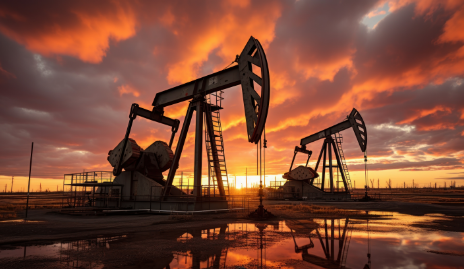
Oil and gas security programs succeed when they are engineered for operational constraints, prioritised by consequence, and supported by evidence that stands up under scrutiny.
Arista Cyber helps operators build that foundation, reduce the likelihood of forced shutdown decisions, and improve resilience without compromising uptime or safety.





.png)
.png)
.png)
.png)
.png)
.png)
.png)
.png)
.png)
.png)
.png)
.png)